
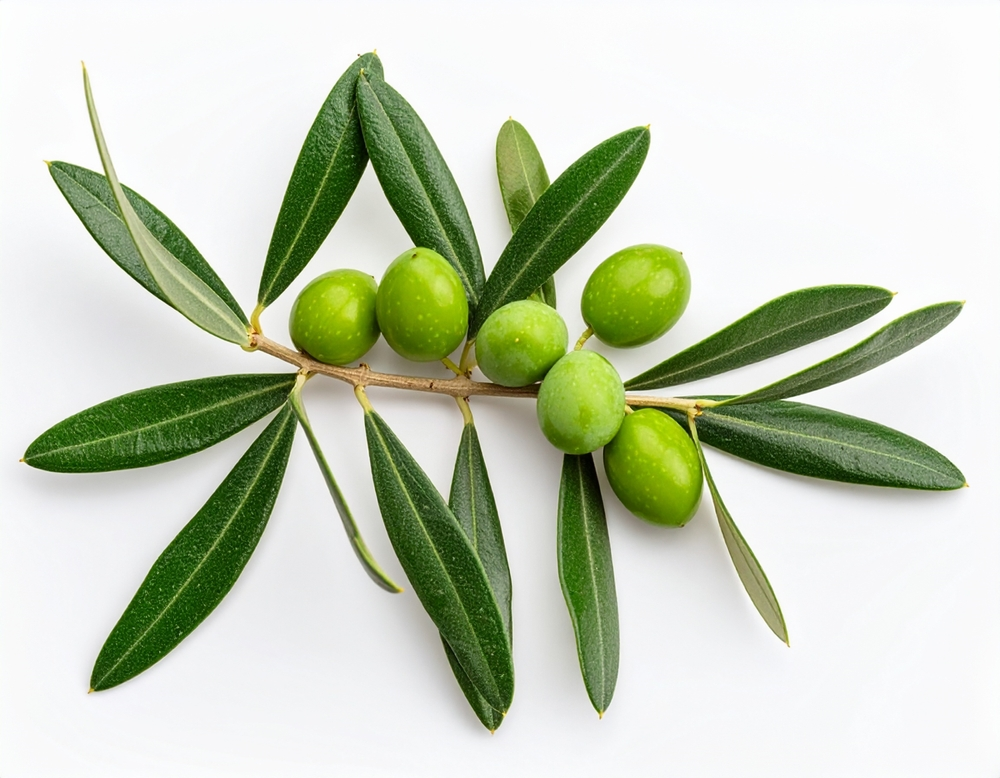
If you’ve ever looked at an olive on a pizza or in a salad and wondered whether it’s a fruit or a vegetable, you’re not alone. Most people associate fruits with sweet flavours, which makes olives seem like an unusual fit.
The answer, however, is straightforward: olives are fruits. The confusion stems from their savoury taste and how they’re used in cooking.
If you’re considering to buy extra virgin olive oil, this guide is a good explanation of why olives are botanically classified as fruits, what type of fruit they are, and how they are made into olive oil.
In short, olives are fruits. They develop from the flower of the olive tree and contain a seed enclosed within a hard pit, both of which are defining characteristics of a fruit.
In botanical terms, a fruit is the seed-bearing structure that develops from the flower of a plant. Its primary role is to protect and help distribute seeds.
Because olives grow from flowers and contain seeds, they fit this definition perfectly.
Vegetables are classified by culinary use rather than plant biology. The term usually refers to edible roots, stems, leaves, or bulbs, which is why foods can sometimes be vegetables in the kitchen but fruits in science.
One of the easiest ways to identify a fruit is to look at how it develops. Olives begin as flowers on the olive tree. After pollination, those flowers transform into the fruit that is eventually harvested.
Inside every olive is a hard pit that protects a seed. Since fruits are seed-bearing structures, this is another reason olives belong in the fruit category.
Olives grow on Olea europaea, an evergreen tree cultivated in many regions around the world. Depending on the variety and harvest timing, olives may be picked green or left to ripen until they become darker in colour.
While olives are fruits, they belong to a specific category known as drupes, or stone fruits.
A drupe has three main parts: an outer skin, a fleshy middle layer, and a hard pit containing a seed.
Other fruits in this category include peaches, plums, cherries, and apricots.
Unlike most fruits, olives aren’t sweet. Their savoury, salty taste makes them feel more at home beside vegetables than fruit.
Olives are commonly added to pizzas, salads, pasta dishes, and antipasto platters. Because they’re rarely served in desserts or fruit salads, people often assume they’re vegetables.
Olives aren’t alone. Tomatoes, cucumbers, bell peppers, and avocados are also botanically fruits, despite often being treated as vegetables.
This is where much of the confusion begins. Culinary classification focuses on flavour and usage, while botanical classification focuses on how a plant grows and reproduces. By scientific standards, olives are clearly fruits.
Green and black olives are usually the same fruit harvested at different stages of ripeness.
Green olives are picked earlier, while black olives remain on the tree longer and develop a richer flavour and darker colour.
Whether green, purple, or black, olives remain fruits throughout every stage of development.
Skin (Exocarp)
The outer layer protects the fruit from environmental damage.
Flesh (Mesocarp)
This is the edible portion, which contains much of the oil.
Pit (Endocarp)
The pit is the hard protective shell inside the olive.
Seed Structure
Within the pit is the seed, which contains the genetic material needed to grow a new olive tree.
Olives contain beneficial monounsaturated fats and antioxidants that contribute to their nutritional value. They also provide nutrients such as vitamin E, iron, and copper.
Their healthy fat profile is one reason olives are commonly included in balanced eating patterns.
Olives are closely associated with Mediterranean dietary traditions and have been enjoyed for generations throughout the region.
Olive oil is produced by harvesting olives and extracting the oil contained within their flesh.
Because olive oil comes directly from the fruit of the olive tree, it is technically considered a fruit oil. Many people who buy extra virgin olive oil are surprised to learn that it comes from a fruit rather than a vegetable.
Extra virgin olive oil is produced using carefully selected olives and minimal processing methods that help preserve flavour and quality.
If you’re looking to buy extra virgin olive oil, understanding its fruit origin can provide a greater appreciation of how it is made.
Myth #1 – Olives Are Vegetables
False. Olives are fruits because they develop from flowers and contain seeds.
Myth #2 – Green and Black Olives Are Different Fruits
False. In most cases, they are simply different stages of ripeness.
Myth #3 – Olives Grown Only in Mediterranean Countries
False. Olives are cultivated in many countries, including Australia.
Myth #4 – Olives Can Be Eaten Straight From the Tree
Fresh olives are naturally very bitter and typically require curing before consumption.
The answer is clear: olives are fruits.
More specifically, they are drupes, a type of stone fruit. They grow from flowers, contain seeds, and meet every requirement of the botanical definition of a fruit.
The reason so many people think olives are vegetables comes down to their savoury flavour and culinary use. While they may be treated like vegetables in recipes, science tells a different story.
Whether you love it or avoid it, olive oil is made from olives. Understanding this simple fact can give you a greater appreciation of its origins and how it fits into a balanced diet.
Looking to buy Pure, Authentic Extra Virgin Olive Oil?
At Conte Bros Importers, we provide a masterfully curated collection of extra virgin olive oils, hand-selected from boutique Australian groves and the sun-drenched hills of the Mediterranean. We also sell wines, from Italian red wines to premium white wines.